Introduction
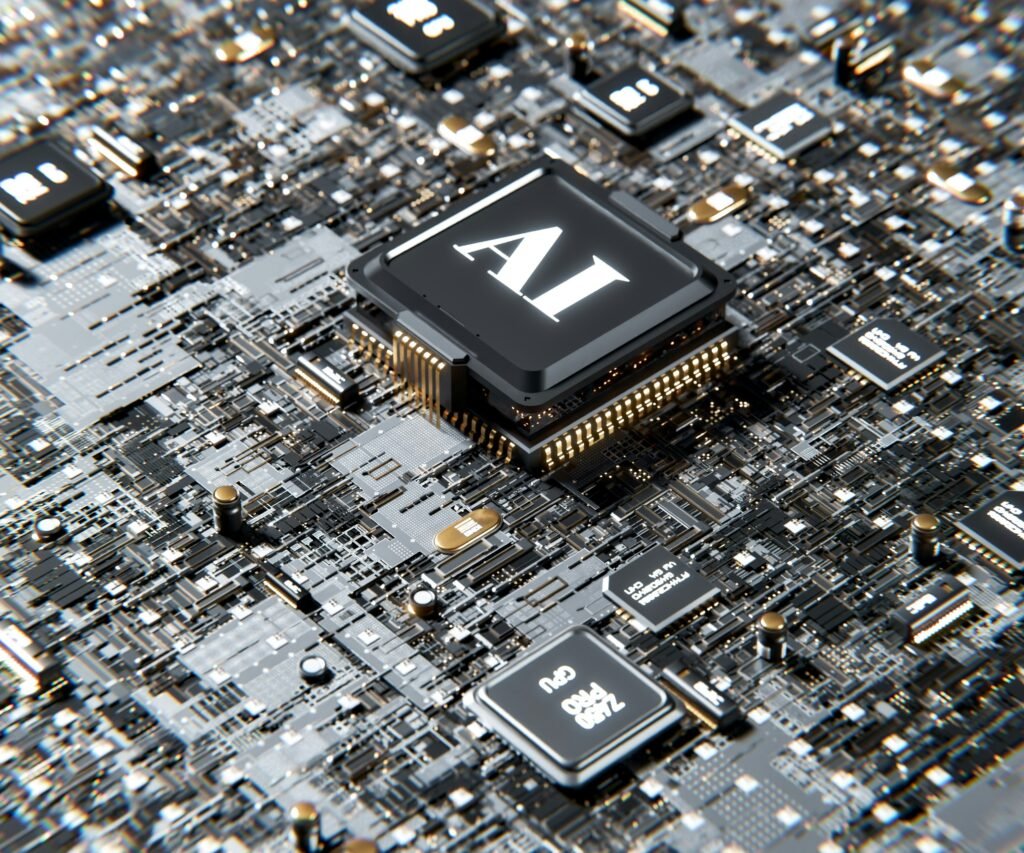
Artificial intelligence is no longer a distant idea—it’s part of the daily rhythm of business. Reports show that executives increasingly trust AI as a strategic co-pilot, with some even allowing it to inform decisions once reserved for humans. Yet, AI can only support decisions. It cannot replace the intuition, discretion, and interpersonal finesse that strong executive assistants bring to the table. The future belongs to assistants who combine these strengths.
AI at the Leadership Table
Tech leaders now describe AI as a strategic co-pilot in the C-suite. A recent article reveals that 74 percent of executives trust AI’s input more than human peers, and 44 percent are ready to let AI override their decisions when trusted systems are involved. AI excels in strategic analysis, risk spotting, and operational insight, but it still lacks human critical thinking and empathy.
The Executive Assistant: Future Game-Changer
According to a recent feature on executive support roles, the future executive assistant is not threatened—they are becoming more valuable. The truth is simple: AI replaces people who only execute tasks. EAs who think critically and strategically—they are indispensable.
Complementing this perspective, another piece emphasizes that the EA role is shifting from task management to strategic impact. As organizations embrace complexity and agility, top assistants are stepping into leadership zones.
Tools That Empower, Not Replace
The most forward-thinking assistants are already using tech to amplify their effectiveness. These tools streamline schedules, automate follow-ups, or support data analysis—freeing up time for relationship building, agenda setting, and proactive problem-solving.
A helpful guide outlines five tool categories every modern EA should master—from AI-powered schedulers to communication accelerators—helping reduce repetition and grow strategic focus. :contentReference[oaicite:5]{index=5}
Potential Disruptions and the EA Response
On the other hand, tech innovators like the CEO of a prominent AI startup are sounding a warning. His AI-powered browser could eventually manage email sorting, calendar coordination, meeting prep, and follow-ups—tasks typically handled by EAs. That is a powerful disruption signal—demonstrating why adaptability and upskilling are more essential than ever.
Charting a Distinct Advantage
EAs who will thrive should focus on building these competencies:
- Empathy and trust calibration: anticipate executive needs and manage stakeholders with emotional awareness.
- Strategic tooling: automate repetitive workflows so that your impact is elevated rather than erased.
- Ethical judgment: ensure accuracy, maintain confidentiality, and use technology responsibly.
- Agile leadership: lead rhythms, synthesize insights, and align operations with evolving goals.
As intelligence technologies evolve into agentic AI—systems that make decisions with minimal guidance—the value of human oversight and judgment only grows.
Conclusion
AI is transforming the expectations of executive assistants—but not eliminating the role. The professionals who integrate tech with humanity, ethics, and strategic insight will become indispensable partners to leadership. The future belongs to human-amplified assistants: not just scheduling efficiency, but strategic clarity, trust, and impact.